Gurgaon Mills is now Gurugram Miller
Our Story
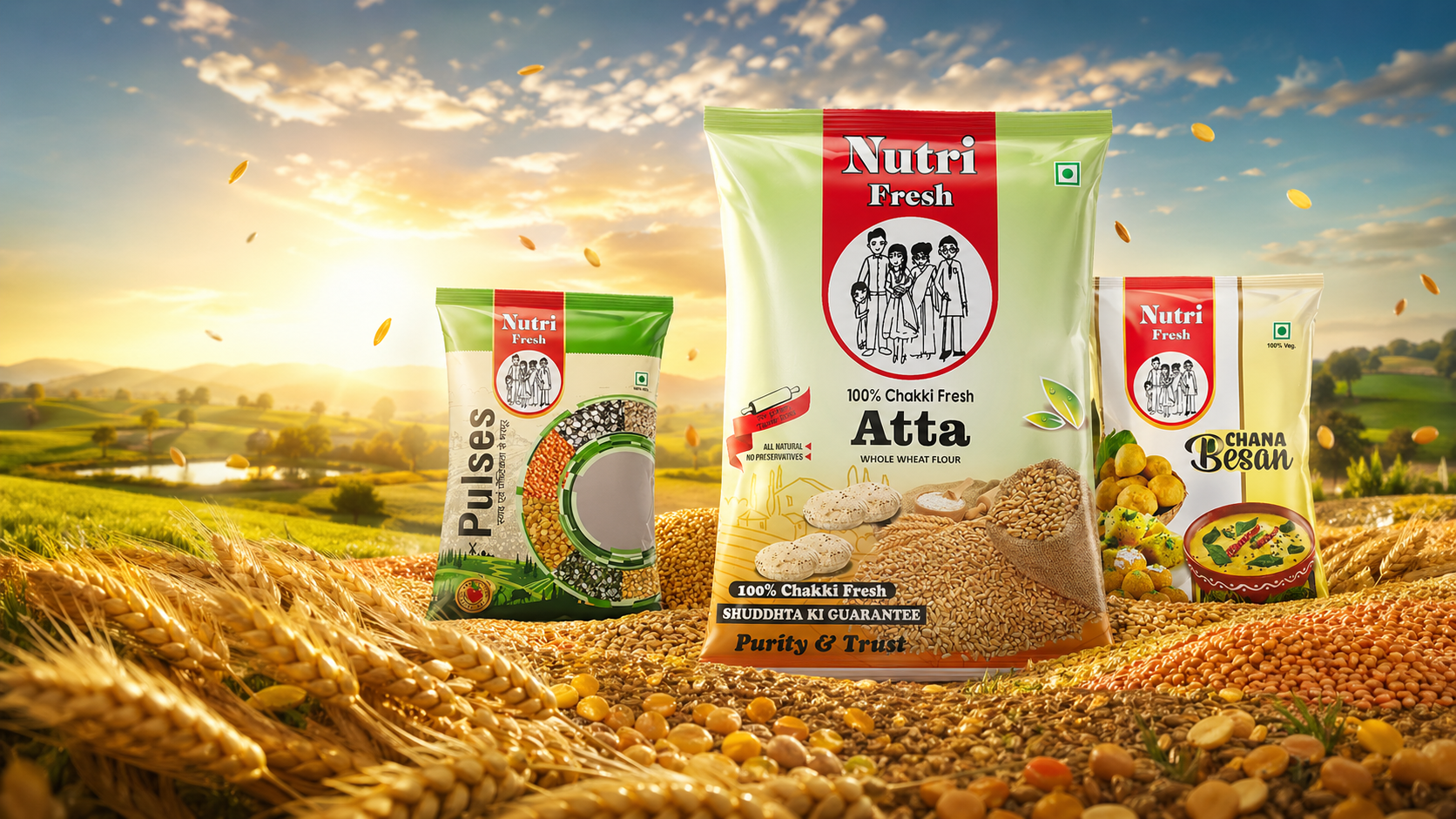
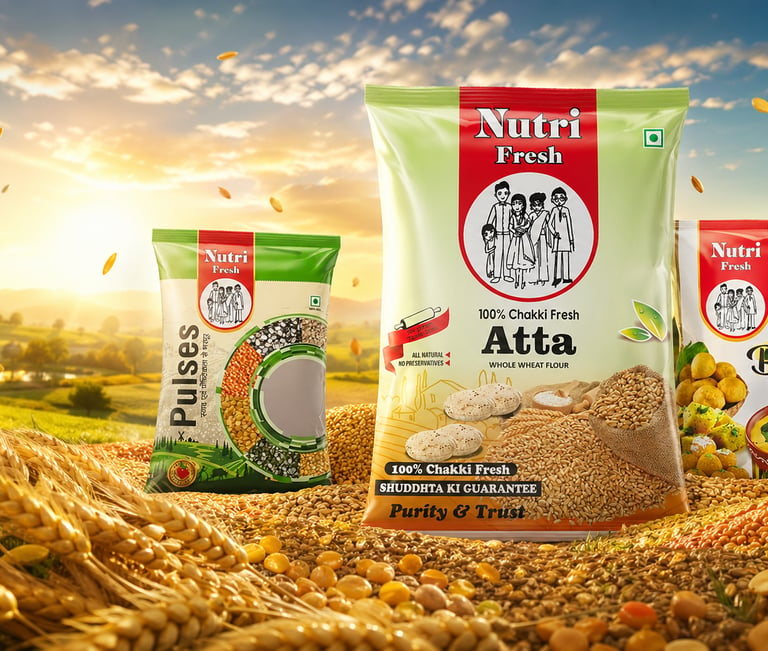
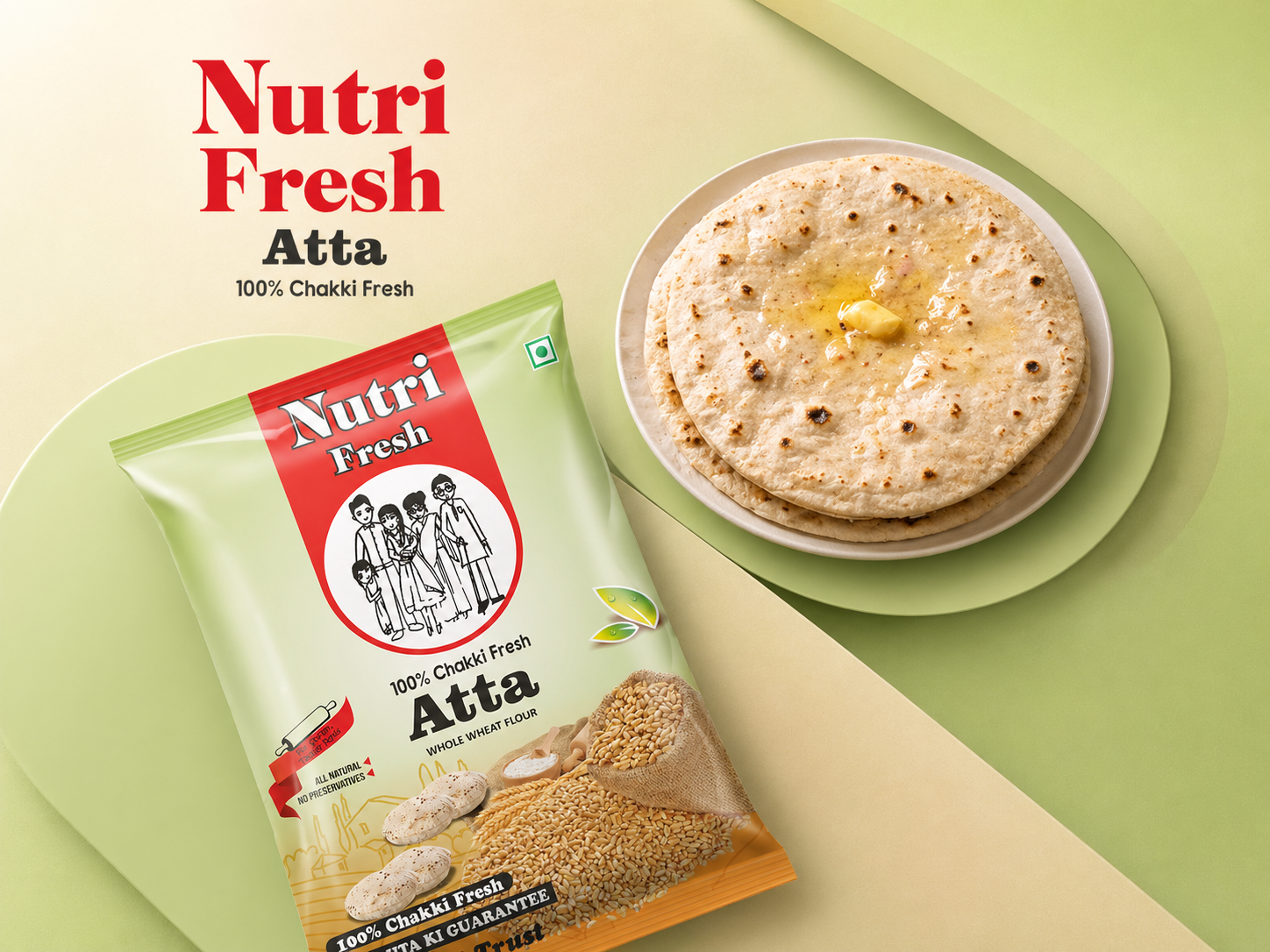
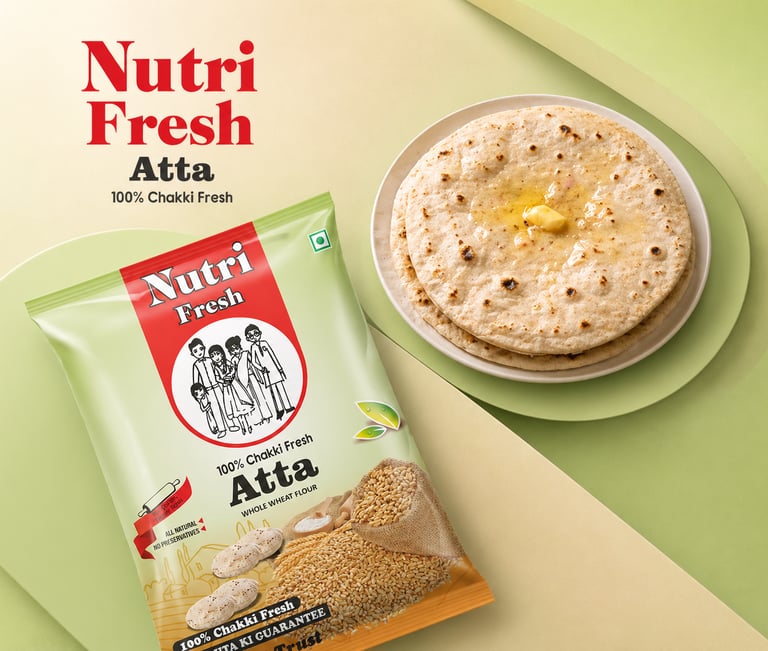
For founder Garima Singh, that question didn't stay rhetorical for long. It lodged itself somewhere deep and refused to leave. She had watched her family navigate two of the most frightening health crises a household can face, and through both of them, one thread kept pulling at her attention. Not medication. Not supplements. Not any of the packaged solutions the wellness industry had spent decades trying to sell. It was food. Specifically, it was the most basic, most taken-for-granted food in the Indian household: the atta that goes into the roti that appears on the table twice a day, every day, for most of the one and a half billion people on this subcontinent. She started asking questions about it that she was surprised nobody around her seemed to be asking. Where does it come from? How long has it been sitting there? What happened to it between the wheat field and her kitchen counter? The answers were uncomfortable enough to build a company around. The chakki, the stone mill, had been the backbone of Indian grain processing for centuries. There was nothing broken about it. It preserved the bran, the germ, the natural oils, the fibre, the micronutrients that make whole wheat worth eating in the first place. Families used to take their grain to the local chakki and get back flour that was alive, fresh, and genuinely nourishing. Then modernisation arrived with its promises of efficiency and scale, and somewhere in that trade, we lost something quietly significant. The flour that now dominates grocery shelves across the country is processed for shelf life, not nutrition. It is milled in bulk, stripped of the very components that cause it to go stale, which, it turns out, are also the components that make it good for you, and then it sits in warehouses and on shelves for weeks or months before it ever reaches your kitchen. By the time it does, what you are working with is a pale shadow of what whole grain atta was always supposed to be. We accepted this so gradually that most of us forgot there was ever anything to mourn. Nutrifresh was built to reject that trade entirely. Garima's answer to everything she had learned was to go back, not in a nostalgic or anti-modern sense, but in a deeply practical one. The chakki method works. Stone milling at low temperatures preserves the wheat germ and bran. Fresh milling means the natural oils haven't had time to oxidise. Small batches mean you are getting flour that was ground recently, not flour that has been warehoused and shipped through a supply chain optimised for everything except what ends up in your body. Nutrifresh delivers pure, fresh-milled atta, made to order, with nothing added and nothing taken away. No additives. No preservatives. No bleaching agents. No compromises dressed up in clean packaging and health-washing language. Just wheat, a stone mill, and the belief that the simplest version of something is often the most honest.
Our mission
Pure, Fresh, Nutritious food in affordable prices for All in Bharat.
शुद्ध, ताज़ा और पौष्टिक रोटी दाल चावल और तेल, सही दाम पर भारत में सबके लिए
What makes Nutrifresh different is not just the product. It is the conviction behind it. This company was not founded by people looking for a market gap or a consumer trend to ride. It was founded by a family that had been forced, by circumstance, to take their own health seriously in a way that most people only do when something goes wrong. That origin story is not a marketing angle. It is the actual reason this company exists. When you have sat with serious illness, when you have watched someone, you love fight to recover, the idea of continuing to be casual about what goes into your food every morning becomes genuinely untenable. Garima built Nutrifresh because she needed it to exist, and then she realised that millions of other families, families who hadn't necessarily faced what hers had, but who understood instinctively that something about the food system had gone sideways, needed it too.
Our vision
Pure and Nutritious food for all.
शुद्ध और पौष्टिक खाना सबके लिए
Health in India is too often treated as a luxury. Organic this, cold-pressed that, superfood the other thing. The wellness industry has done an extraordinary job of making people feel that eating well is an expensive lifestyle choice rather than a fundamental right. Nutrifresh pushes back on that framing hard. Fresh flour is not exotic. It is not premium in the way that word usually implies exclusivity. It is simply what flour should be, what it used to be, and what it can be again when you remove the unnecessary steps that industry inserted into the process for reasons that had nothing to do with your health. The mission here is not to serve a niche. It is to make the most basic staple in the Indian kitchen worthy of the trust every family places in it, every single day. Two health crises gave Garima Singh the kind of clarity that most founders spend entire careers trying to manufacture. She knows exactly why this company exists, exactly who it is for, and exactly what it refuses to compromise on. That is not a small thing. That is the whole thing. And we are just getting started.